

Izembek and Arctic news—the State and feds dig in
By Dawnell Smith
The ongoing effort to undermine the integrity of protected public lands and the law for the benefit of private and corporate interests continues to threaten landscapes from Izembek National Wildlife Refuge to the Arctic.
You can help right now. Sign this petition from Alaska Wilderness League to take action to protect the western Arctic.
We win in court, the State thumbs its nose at the law
The State of Alaska is seeking federal public funds to start bulldozing the first 2.8 miles of road in Izembek National Wildlife Refuge despite a court ruling that nulled the land swap that had attempted to make way for the road and the subsequent suspension of the Clean Water Act Section 404 permit for construction.
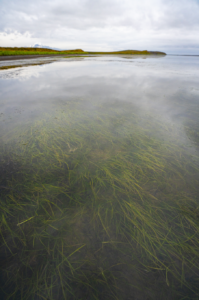
Eelgrass in Izembek lagoon. Photo courtesy of Running Wild Media for Defenders of Wildlife.
This week, Trustees sent a letter to the Alaska Department of Transportation on behalf of clients outlining how the use of federal funds to build any portion of the proposed road would violate the law and why the request for those funds must be denied.
The Department of Transportation has proposed an amendment to the 2024-2027 Statewide Transportation Improvement Program to add the Izembek Road as a new project, with a request for $16.5 million from the “Surface Transportation Block Grant” program, which is a federal-aid highway fund.
That request for funding triggers the Department of Transportation Act, which applies whenever federal funding is used or may be available for construction of a road that impacts certain public property, like a national wildlife refuge. The Department of Transportation Act prohibits the Federal Highway Administration from approving such funding unless determining that there isn’t a feasible alternative and that the program minimizes harm to the refuge, neither of which has been done.
Furthermore, federal aid highway funds cannot be used for any activity that violates applicable federal or state law, such as the Clean Water Act and the National Environmental Policy Act—both of which would likely be violated by the imminent road construction.
Based on the Alaska Department of Transportation’s Clean Water Act permit application, building this portion of the road requires discharges into wetlands, installation of at least a dozen culverts, and construction of a bridge, all of which were activities authorized by the now suspended Clean Water Act permit. That permit, initially issued by the U.S. Army Corps of Engineers in July 2026, was suspended after our court win on the land swap in August. The Army Corps’ letter suspending the permit directed the Alaska Department of Transportation to “stop any activities that were previously authorized by the suspended permit,” and let the state agency know that “any further work” conducted pursuant to the permit “shall be considered a knowing, repeat, and flagrant violation of Federal law.”
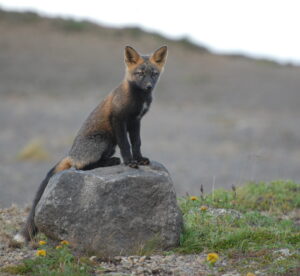
Red fox on the shore of Izembek lagoon. Photo by Kristine Sowl.
The language is clear, but the Trump administration’s commitment to enforcing it is not.
“The State believes it can build a section of the Izembek road, including construction of a bridge, without a permit because it’s counting on the Army Corps not doing anything about it,” said Michelle Sinnott, senior staff attorney with Trustees.
The State has requested and may have used federal funding in violation of the law, which means the Highway Administration must deny these funding requests and potentially withhold funding from other projects in the state.
Whatever one’s thinking about the proposed road, it’s essential that State and federal governments follow established processes and laws and enforce them as intended.
“Streamline” is just another word for “blowing off impacts”
The National Petroleum Reserve in Alaska holds some of the most intact wilderness areas in the country and provides critical habitat for migratory birds, polar bears, wolves, and many other species, including the caribou herd that supports the community of Nuiqsut.
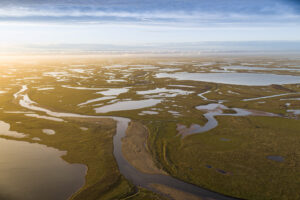
Teshekpuk Lake Special Area in the western Arctic. Photo by Gerrit Vyn.
The U.S. Bureau of Land Management just proposed a rule at the behest of the Alaska Oil and Gas Association that would erode meaningful environmental review and public involvement for oil and gas projects in the Reserve.
The effort to streamline oil extraction would have profound impacts on designated wilderness areas and subsistence uses. If adopted, the rule would compel the Bureau to approve project proposals without public comment or further environmental analyses within 60 days of a “qualifying” project proposal application, which seems to be defined as any oil and gas proposal that would happen within 25 miles of an existing oil and gas project.
The rule itself states its intent as allowing “a gradual westward progression of development.”
In other words, it could allow massive projects akin to ConocoPhillips’ Willow project to propagate mostly unfettered, without the requirement that agencies look closely at how communities, wildlife, and landscapes would be impacted by that specific project. Looking at a hypothetical oil and gas project now is not an adequate substitute for looking at an actual proposal and how it might impact a specific area.
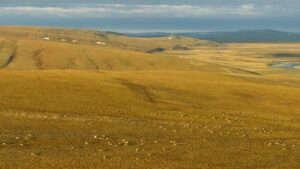
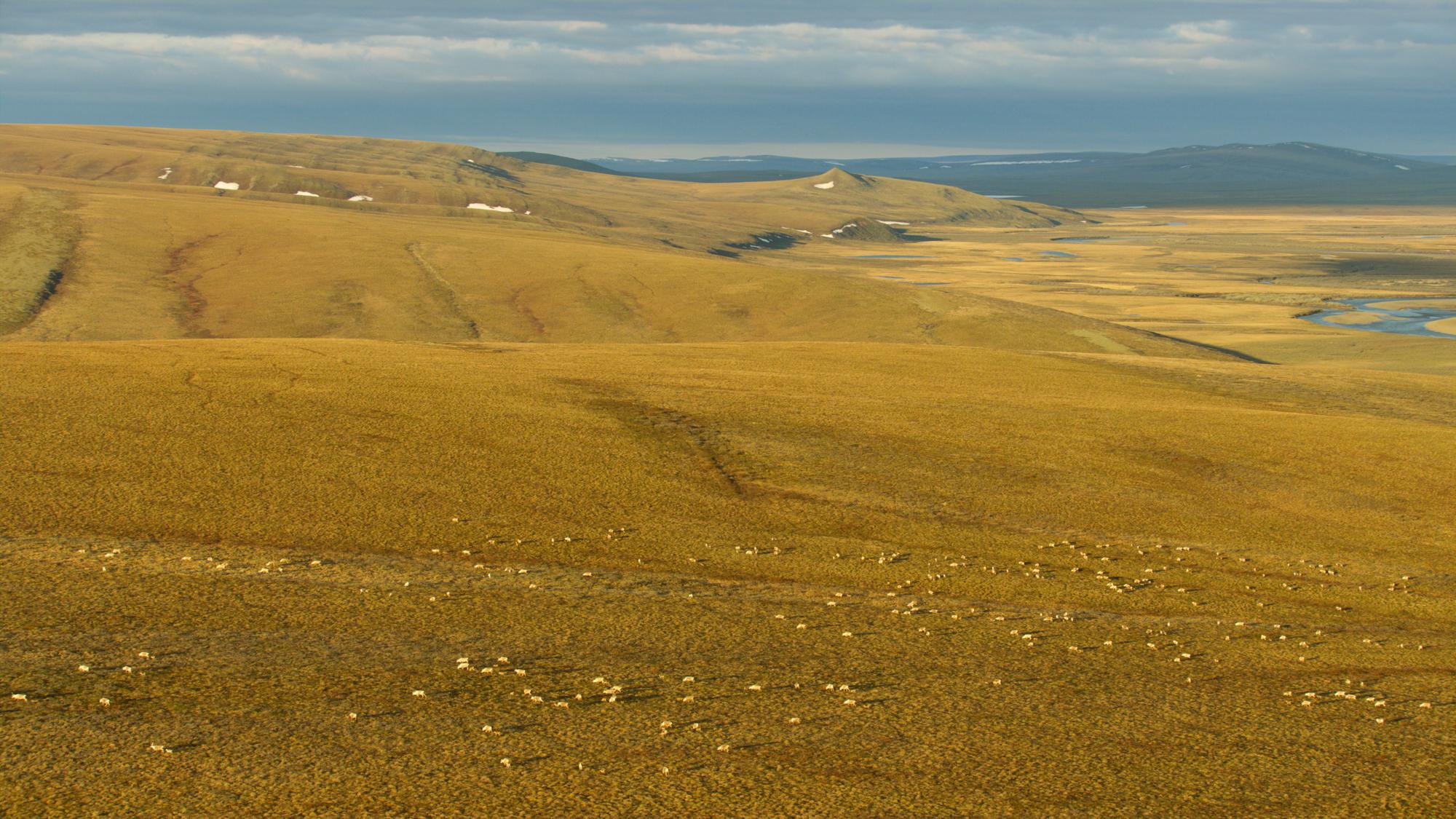
The western Arctic. Courtesy of www.protectthearctic.org.
You can oppose this rule now during a brief public comment period. The Northern Center provided this helpful overview of the rule and how you can speak up for the Arctic.
There will be three virtual public hearings on Sept. 22, 23, and 24 where you can testify. Written comments are due Nov. 9. You can sign on to the Alaska Wilderness League’s action petition now.
If you decide to write your own comments, submit them to the draft environmental impact statement portal as well as to the portal for the proposed rule itself. You can use the same comments for both, focusing on your opposition to any rule that undermines adequate review and public input.