


Our Arctic Refuge litigation ramps up, and caribou herd populations show a decline
By Dawnell Smith
Yesterday we filed an amended and supplemental complaint in our 2020 lawsuit challenging the shoddy Trump leasing program that hands over the entire coastal plain of the Arctic National Wildlife Refuge to oil and gas leasing and exploitation. We filed on behalf of the Gwich’in Steering Committee and 12 other groups.
You might not remember, but Trump’s first term didn’t just end in 2021 with the Jan. 6 rush on the Capitol, but also an Arctic Refuge lease sale that same day. (The 2017 Tax Act mandated two lease sales, and this was the first.) This lease sale failed to draw bids from any major oil companies and generated a scant fraction of one percent of the promised federal revenues used to push the program into law in the first place. One of the only bidders to show up was the Alaska Industrial Development and Export Authority — a division of the State of Alaska, not an oil and gas company.

View of the Arctic Refuge Coastal Plain and Brooks Range. Photo by Lisa Hupp.
We paused our 2020 lawsuit after the Biden administration suspended the leasing program in 2021 to allow the agencies to review and try to fix the program’s legal problems. As a result of that process, the leases issued to AIDEA were suspended and later voided. (Litigation on all these pieces is ongoing, but we’ll leave it at that for now.)
Interior then finalized a 2024 plan that offered fewer acres for lease. The second mandated lease sale under the Tax Act took place in January 2025, drawing no bids.
Of course, we all know what happened next—Trump came into office with a thirst for oil and insisting that everyone put their heads in the sand about the cataclysmic climate disasters all around us, from the flooding and burning to extreme heat and surging seas and landslides devastating our communities.
In October 2025, the Trump administration readopted the 2020 Arctic Refuge leasing program and unsuspended the leases it had issued through it.
Our current amended and supplemental complaint addresses those decisions as well as the profound legal problems with the leasing program at large and the reissuing of AIDEA’s illegal leases. (The Arctic Village Council, Native Village of Venetie Tribal Government, and the Venetie Village also filed an amended and supplemental complaint in their case.)
The Trump administration broke the law then and it’s breaking the law now.
Protecting caribou

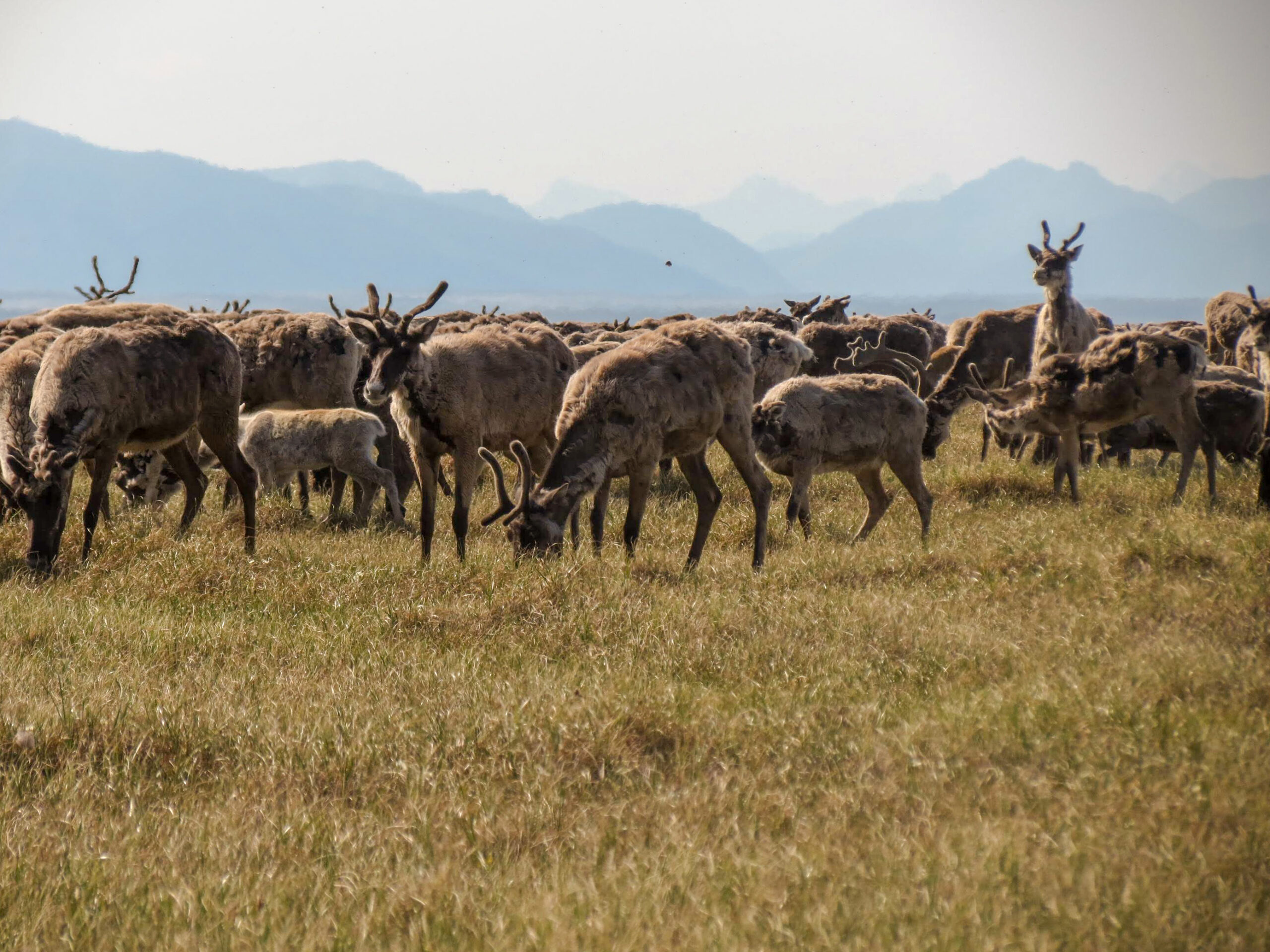
Caribou at Hulahula. Photo by Danielle Brigida.
Protecting caribou means protecting landscapes, circles of life, and communities. The Gwich’in and Iñupiaq have lived in relationship with caribou forever, and the herds play an important part in their ways of life.
The coastal plain of the Arctic Refuge provides critical calving grounds and a place of nourishment during the most sensitive time in the life cycle of the herd. Caribou, like other animals, cross boundaries—between ecosystems, villages, states, nations—and their health tells us about the health of Earth and our future on it.
We have worked alongside the Gwich’in Steering Committee since it formed in 1988 to protect sacred lands and the nursing grounds of the Porcupine caribou herd in the Arctic Refuge. The caribou “provide the foundation of our cultural, spiritual, and physical survival,” states the committee’s call to action. “We refer to the birthing grounds of the caribou as Izhik Gwats’an Gwandaii Goodlit, the Sacred Place Where Life Begins. It is critical that we protect their entire habitat, including migratory routes and calving grounds.”
A recent Alaska Department of Fish and Game report shows that the 2025 Porcupine caribou herd population has markedly declined since 2017, the last time the population was counted. Herd populations fluctuate over time, but the 2025 decline is steeper that prior decreases.
Caribou on the coastal plain in the Arctic National Wildlife Refuge. Photo by Andrea Medeiros.
The Vuntut Gwichin First Nation of Canada called the decline a concern, not a crisis yet, but its statement about the Fish and Game report emphasized that caribou need “healthy calving grounds, wintering grounds, and migration routes, free from industrial development and resource extraction…”
As in our beginning decades ago, Trustees for Alaska makes protecting the Arctic Refuge from industrialization core to our work.