

Another failed Arctic Refuge lease sale and other Arctic news
By Madison Grosvenor
Congress and the Trump administration made big revenue promises about this month’s Arctic National Wildlife Refuge lease sale, but the result was a major flop. Big Oil stayed away, the bids that did come in were underwhelming, and the Alaska Industrial Development and Export Authority once again poured Alaska money into a bad idea.
The Arctic Refuge lease sale received just nine bids from two parties. AIDEA outbid HEX Energy LLC on three of these leases, and HEX Energy ended up with two of them. All five tracts receiving bids in this go–round had received bids in a prior lease sale and were later relinquished.
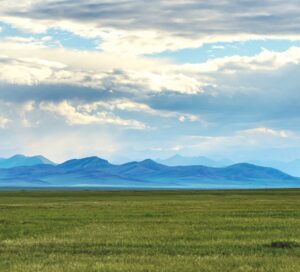
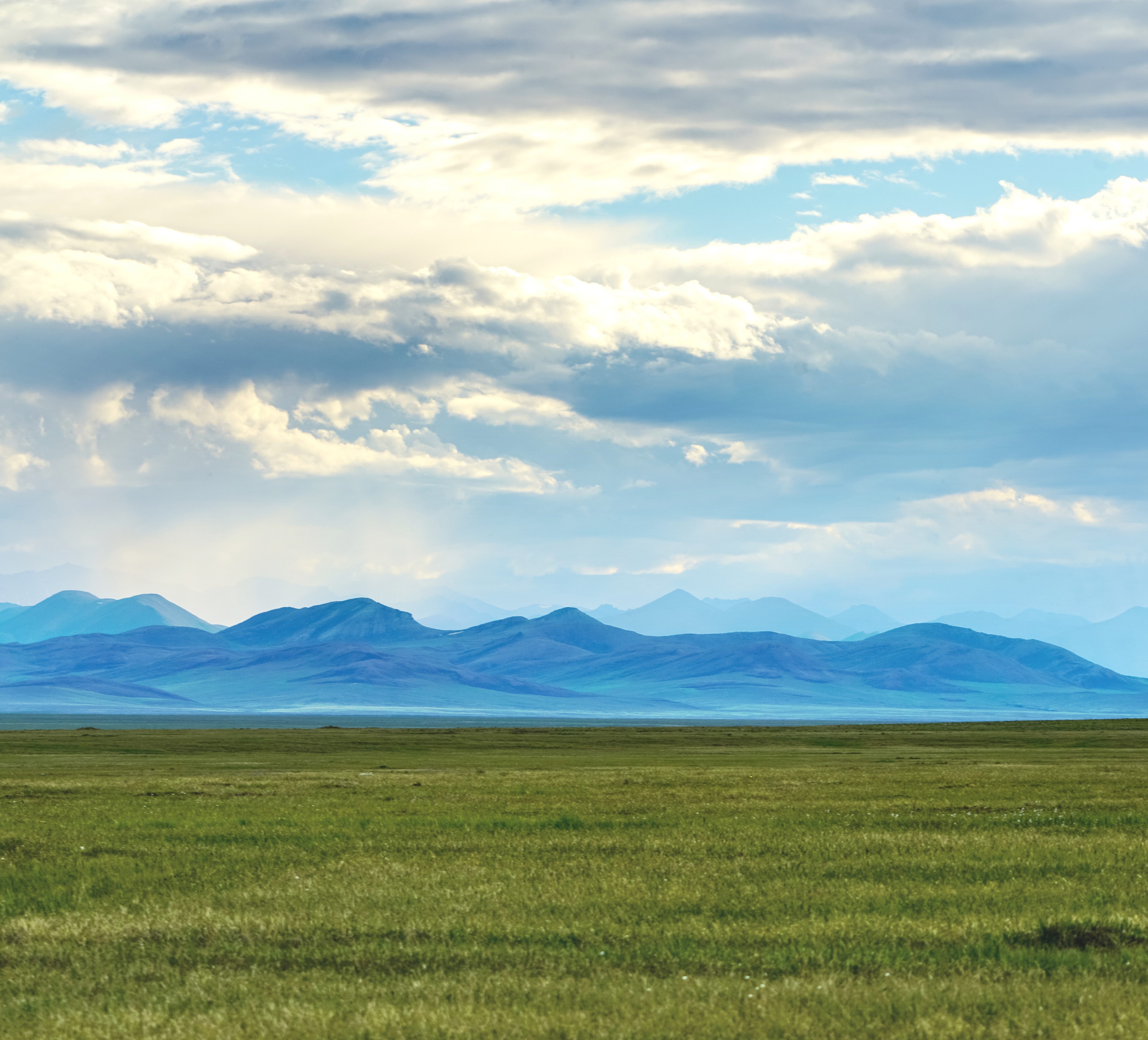
View of the Brooks Range from the 1002 area of the Arctic Refuge coastal plain. Photo by Danielle Brigida.
Of the two bidders, AIDEA is not an oil and gas company, and Hex Energy is a natural gas company that operates in Cook Inlet with no Arctic track record. Even when combined with the 2021 and 2024 sales, revenue from the leasing program amounts to less than a fraction of one percent of what was promised under the 2017 Tax Act and the 2025 budget act. Americans were promised that leasing the Arctic Refuge would offset Congress’ tax breaks by raking in billions of dollars. Instead, the result has been a costly and repetitive use of taxpayer dollars to sustain a leasing effort that the market is rejecting.
The latest auction marked the third failed lease sale in just a few years as major players continue to steer clear of drilling in one of the most ecologically sensitive regions in the country.
“The willingness of this administration, the Alaska delegation, and the Alaska Industrial Development and Export Authority to throw the Arctic Refuge under the bus has meant that little to no care has been taken to address the real impacts that oil industrialization will have on Arctic communities, the Refuge, and the public’s interest,” said staff attorney Suzanne Bostrom.
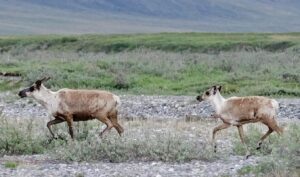
The Porcupine caribou herd move through the coastal plain. Photo by James Spitzer.
The stakes extend far beyond another failed lease sale. The coastal plain of the Arctic Refuge is central to the food security and cultural traditions of the Gwich’in and Iñupiat communities. The coastal plain, known to the Gwich’in people as “the sacred place where life begins,” is the calving and nursery grounds for the Porcupine caribou herd. The Gwich’in Nation has depended on these lands since time immemorial for their physical, cultural, and spiritual well-being.
Industrializing the refuge would bring lasting harm to Arctic ecosystems and the communities that depend on them, shifting the long-term costs of extractive industry onto local people, taxpayers, and future generations.

Black-bellied plover standing on the tundra of the coastal plain. Photo by Peter Pearsall.
The outcome of the latest lease sale once again underscores the clear reality that drilling in the Arctic Refuge is neither financially viable nor compatible with the long-term health of the Arctic. The market has had multiple opportunities to embrace Arctic Refuge drilling and has repeatedly declined. The promise to the American public of economic opportunity remains unfulfilled by this leasing program, despite industry-friendly conditions like a pro-development administration and favorable regulatory conditions for bidders.
And at the same time, the ecological risks are unequivocal. Oil and gas industrialization would fragment one of the most intact ecosystems in North America, disrupt wildlife migration patterns, and accelerate climate change in a region already warming at an alarming rate.
The Arctic Refuge is an irreplaceable landscape whose worth lies in its cultural significance and role in sustaining life.
The repeated failure of these lease sales only reinforces what science, Indigenous knowledge, and the economics have already made clear. Drilling in the Arctic Refuge is a financial miscalculation and, most of all, an unacceptable risk to Arctic lands.
The fight is not over, in and out of the court room
We filed a lawsuit in 2020 on behalf of the Gwich’in Steering Committee and other groups, later updating it in January 2026, arguing that the leasing program that allows the lease sale violates multiple federal laws.
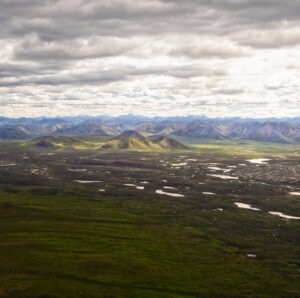
View of the Arctic Refuge Coastal Plain and Brooks Range. Photo by Lisa Hupp.
“We’re in court because this leasing plan and any leases that come of it violate the law and betray the trust of Americans who value public lands and do not support the reckless and lawless handing over of those lands to private interests,” continued staff attorney Suzanne Bostrom.
As the legal fight continues, each failed lease sale adds to the evidence that the push to industrialize the Arctic Refuge is deeply contested and increasingly out of step with economic realities and public opinion. The absence of major oil company interest speaks loud and clear about how drilling in the Refuge makes no financial sense, no matter how proponents of drilling try to say otherwise.
In recent weeks, thousands of people spoke up in defense of the Arctic Refuge. Indigenous leaders, advocates, hunters and anglers, and individuals across the country made it clear that drilling has no place in the Arctic Refuge.
But the fight is not over. Three additional mandated lease sales will take place as a part of this unlawful program.
As stated in our recent press release, “Executive orders about unleashing energy and dominance do not and cannot rewrite the legal mandates to which agencies must be accountable to and abide by—mandates that protect food and cultures, that protect wildlife and landscapes, and that support public engagement and informed decisions.”
This administration didn’t comply with the law when enacting this program, and that’s why we’re asking a court to get rid of any leases from the leasing program, including those from this month’s sale.
Updates from the Brooks Range
Back in March, we filed a lawsuit challenging the Trump administration’s massive giveaway of public lands stretching from the Yukon River to the Brooks Range along the Dalton Highway and Trans-Alaska Pipeline.
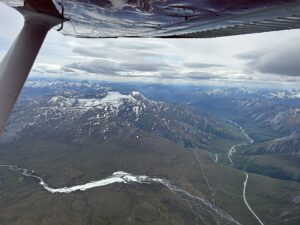
An aerial view of the Dalton Highway corridor. Photo by Tyra Olstad.
Federal protections were stripped for over 2 million acres of public lands through the removal of Public Land Orders 5150 and 5180. Interior did that with the goal of transferring these lands to the State of Alaska, effectively lowering the bar for protecting subsistence and mitigating impacts when permitting extractive projects.
The Department of the Interior announced the tentative approval to transfer 1.4 million acres along the Dalton corridor on May 6. Quickly after, we filed a preliminary injunction to stop Interior for taking any further steps to finalize those land transfers while our litigation moves through court.
“Interior is now taking steps to transfer these public lands to the State, despite not having the legal authority to do so. We filed this motion to put a stop to that illegal process while our case continues on the merits in court,” said Trustees’ staff attorney Bridget Psarianos. “We and our clients will keep fighting this land giveaway at every step and do everything we can to help protect the southern Brooks Range and its lands, animals and people.”
The State filed a motion to dismiss our lawsuit on May 7.
Oral argument for both our preliminary injunction and the State’s motion to dismiss will take place on June 18.
Act now to stop agencies from cutting corners on the western Arctic permitting
The Department of the Interior announced a plan in May to fast-track approvals for new oil and gas drilling in the western Arctic through a new permitting process.
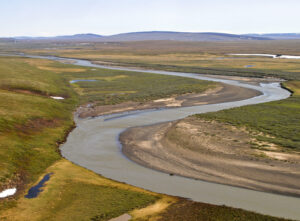
The Utukok River in the Reserve. Photo by J Schoen.
This proposal stems from a petition brought by the Alaska Oil and Gas Association to cut corners when approving production sites, roads, pipelines, gravel pads, ice roads, camps, and rights-of-way.
Oil and gas companies want projects approved without site–by–site, project–by–project environmental reviews, but the law doesn’t work that way. Impacts are specific and expansive, and potential impacts need close review before agencies approve projects.
AOGA’s proposal is to greenlight massive industrial projects with only a 60-day approval timeline and no project-specific environmental review. This completely disregards the fact that different sites will have different environmental impacts depending on site location, what habitats they cross, water sources and flow, permafrost conditions, and more.
To learn more about this rulemaking, check out our latest Litigation 101 piece.
Comments for the Bureau of Land Management’s public-scoping period are due July 6. You can submit them here.
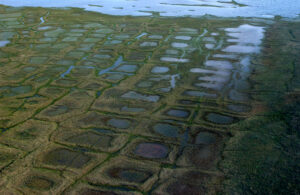
Permafrost polygons in the Western Arctic. Photo by David Houseknecht.
The western Arctic’s lakes, wetlands, tundra, and wildlife deserve the highest level of protection and thorough environmental reviews before projects move forward. Arctic communities and local people deserve public engagement and meaningful consultations. The Bureau should not churn out permits for oil and gas extraction without doing the work to address their specific impacts to people, wildlife, and Arctic health.